Every Child Deserves the Right to Protein
Protein is essential for growth, health, and learning. Yet, many children in Nigeria, particularly in rural communities, still do not get enough high-quality protein in their daily diets. This gap contributes to widespread malnutrition. According to UNICEF Nigeria data reported in 2025, Nigeria has one of the highest burdens of child malnutrition in the world, with an estimated 32 % of children under five living with stunting, a form of chronic undernutrition linked to long-term developmental challenges.
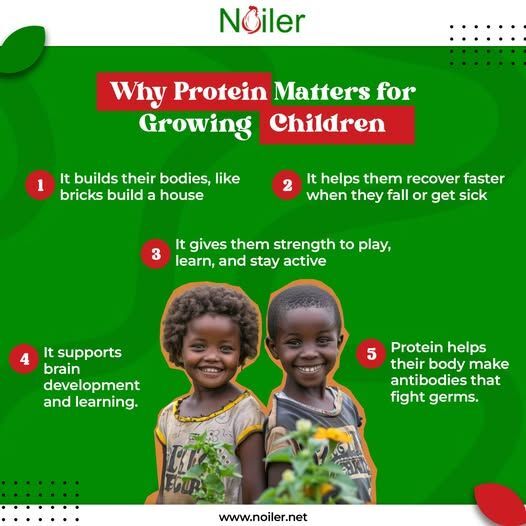
How Protein Supports Growing Children
- It builds their bodies – just like bricks build a house, protein forms strong muscles, bones, and tissues.
- It aids faster recovery – protein helps repair tissues when children fall or get sick.
- It gives strength and energy – supporting active play, learning, and overall activity.
- It supports brain development – essential amino acids are critical for cognitive growth, memory, and learning.
- It strengthens immunity – protein is necessary for producing antibodies that fight infections.
High-quality protein from sources like poultry, particularly dual-purpose birds like Noilers, provides eggs and meat that are rich in essential amino acids. Eggs are considered a complete protein source, while chicken meat contributes to growth and development, especially in areas with limited access to diverse foods. According to World Health Organization (WHO), protein is crucial for preventing stunting and supporting overall childhood health.
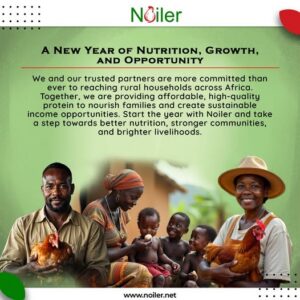
By making high-quality protein accessible, Noiler Birds helps children, especially in rural communities, grow stronger, healthier, and better equipped for the future. Families who integrate Noiler eggs and meat into their diets not only improve nutrition but also create sustainable opportunities for income through small-scale poultry farming.
Investing in children’s nutrition today ensures a healthier, smarter, and more productive generation tomorrow. Learn more about how Noiler can support families and communities in providing sustainable nutrition and empowerment.