Food security remains one of Nigeria’s most pressing development priorities. As the country’s population continues to grow, so does the demand for safe, nutritious, and affordable food. Meeting this demand requires a resilient agricultural sector capable of producing enough food while creating sustainable livelihoods and supporting economic growth.
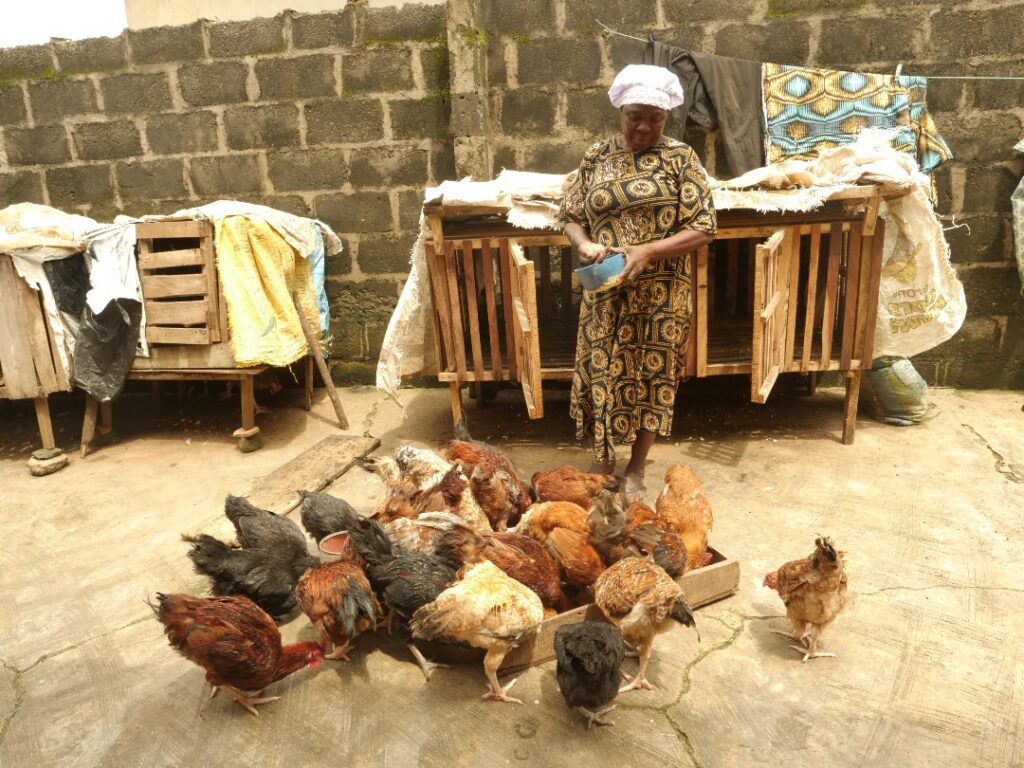
While staple crops such as rice, maize, and cassava are often central to conversations about food security, livestock production, particularly poultry farming, plays an equally important role. Poultry provides one of the fastest and most efficient ways to produce high-quality animal protein, helping to improve nutrition while creating jobs and supporting rural economies.
Beyond supplying chicken and eggs, poultry farming contributes significantly to economic development, employment, and community resilience. It is not simply an agricultural enterprise. It is a vital component of Nigeria’s food system.
Understanding Food Security
Food security exists when everyone has consistent physical and economic access to sufficient, safe, and nutritious food that meets their dietary needs for a healthy and active life.
It rests on four important pillars:
- Availability: Enough food is produced and supplied.
- Accessibility: People can obtain food at affordable prices.
- Utilisation: Food provides the nutrients needed for healthy living.
- Stability: Food remains available and accessible over time, even during periods of economic or environmental uncertainty.
Poultry farming contributes directly to each of these pillars, making it one of the most valuable sectors in strengthening Nigeria’s agricultural landscape.
Poultry Provides Affordable Animal Protein
Protein is essential for growth, healthy development, stronger immunity, and overall well-being. Yet many households continue to face challenges accessing enough high-quality animal protein.
Chicken and eggs remain among the most affordable and accessible sources of protein for millions of Nigerians. They provide essential nutrients that support healthy diets across all age groups.
Another advantage of poultry production is its efficiency. Compared with many other livestock enterprises, poultry has a relatively short production cycle, allowing farmers to respond more quickly to growing food demand and helping ensure a continuous supply of nutritious food throughout the year.
Strengthening Rural Livelihoods Through Innovation
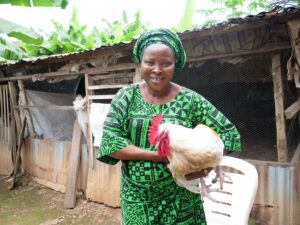
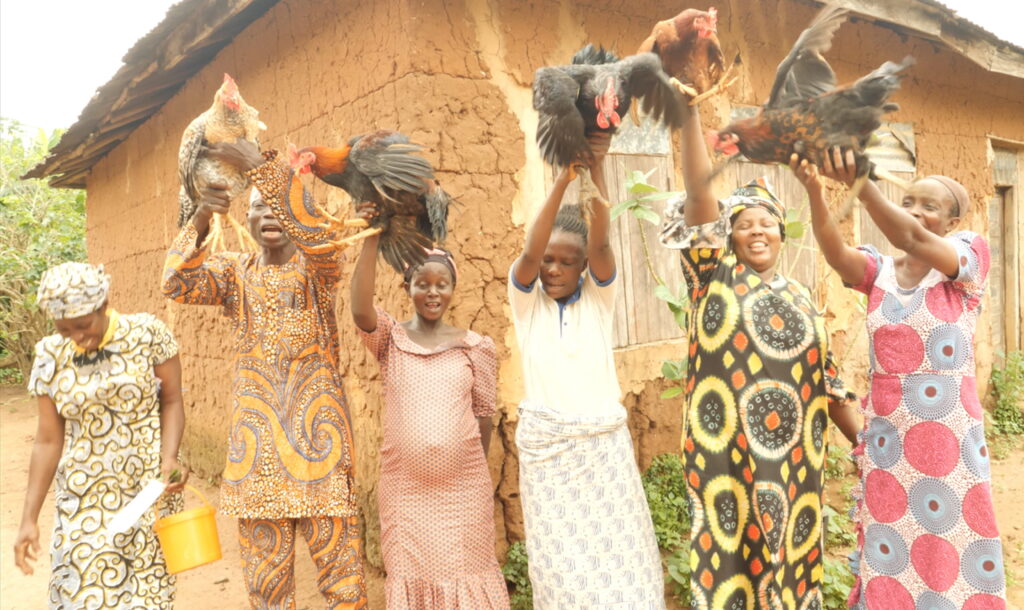
Poultry farming has become a dependable source of income for many rural households across Nigeria.
Its relatively low land requirement and scalable nature make it suitable for smallholder farmers, women, and young entrepreneurs seeking sustainable livelihoods.
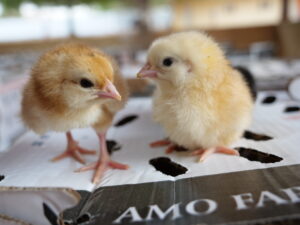
One innovation that has made a significant difference is the Noiler, a dual-purpose bird developed to provide both quality meat and eggs. Unlike birds bred exclusively for either meat or egg production, the Noiler offers farmers greater flexibility by delivering two valuable sources of income from a single flock.
For many households, this means improved access to nutritious food while creating opportunities to earn additional income from surplus eggs and mature birds. By combining productivity with versatility, the Noiler has become a practical solution for farmers looking to build resilient and sustainable poultry enterprises.
Creating Jobs Across the Poultry Value Chain
The benefits of poultry farming extend far beyond the farm itself.
Every successful poultry enterprise supports an extensive network of businesses and professionals, including hatcheries, feed manufacturers, veterinarians, transporters, equipment suppliers, processors, distributors, retailers, and marketers.
As the poultry industry grows, so too does its ability to create employment, stimulate local economies, and strengthen Nigeria’s agricultural value chain.
Closing Nigeria’s Protein Gap
Nigeria’s growing population continues to increase demand for nutritious food.
Meeting this demand requires expanding local production of affordable animal protein while reducing dependence on imported products. A strong poultry sector contributes significantly to this goal by making fresh chicken and eggs more readily available across the country.
Innovations that improve productivity, increase farmer profitability, and support sustainable production systems will continue to play an important role in strengthening Nigeria’s food security.
Sustainable Poultry Farming Is Essential
Increasing food production must go hand in hand with sustainability.
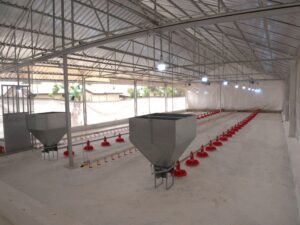
Responsible poultry farming includes strong biosecurity measures, quality nutrition, responsible veterinary care, good animal welfare, and effective farm management. These practices not only improve productivity but also help ensure long-term resilience within the poultry industry.
Across Nigeria, organisations continue to invest in farmer education, improved breeding programmes, and sustainable production practices. Through these collective efforts, farmers are better equipped to improve productivity while contributing to a stronger national food system.
Noiler Insight
The Noiler was developed as a dual-purpose bird to help farmers produce both meat and eggs from the same flock. Its adaptability and versatility have made it a preferred choice for many smallholder and semi-commercial farmers seeking to improve household nutrition while building sustainable livelihoods.
Supporting Farmers, Strengthening Food Security
Improving food security requires collaboration across the entire agricultural value chain.
Through Amo Farm Sieberer Hatchery Ltd., the developers of the Noiler bird, farmers have gained access to quality dual-purpose birds that are helping improve productivity and create more resilient farming enterprises. By supporting innovation, promoting quality breeding, and making the Noiler available to farmers across Nigeria and beyond, Amo Farm continues to contribute to stronger rural livelihoods and a more food-secure future.
Looking Ahead
Food security is about more than ensuring there is enough food today. It is about building agricultural systems capable of feeding future generations while creating opportunities for economic growth and rural development.
Poultry farming has already demonstrated its ability to improve nutrition, generate employment, and strengthen local economies. As Nigeria continues to invest in agricultural innovation, solutions such as the Noiler will remain important in helping farmers increase productivity, improve household incomes, and contribute to a more resilient food system.
By empowering farmers with the right birds, the right knowledge, and sustainable production practices, the poultry sector can continue to play a transformative role in securing Nigeria’s food future.