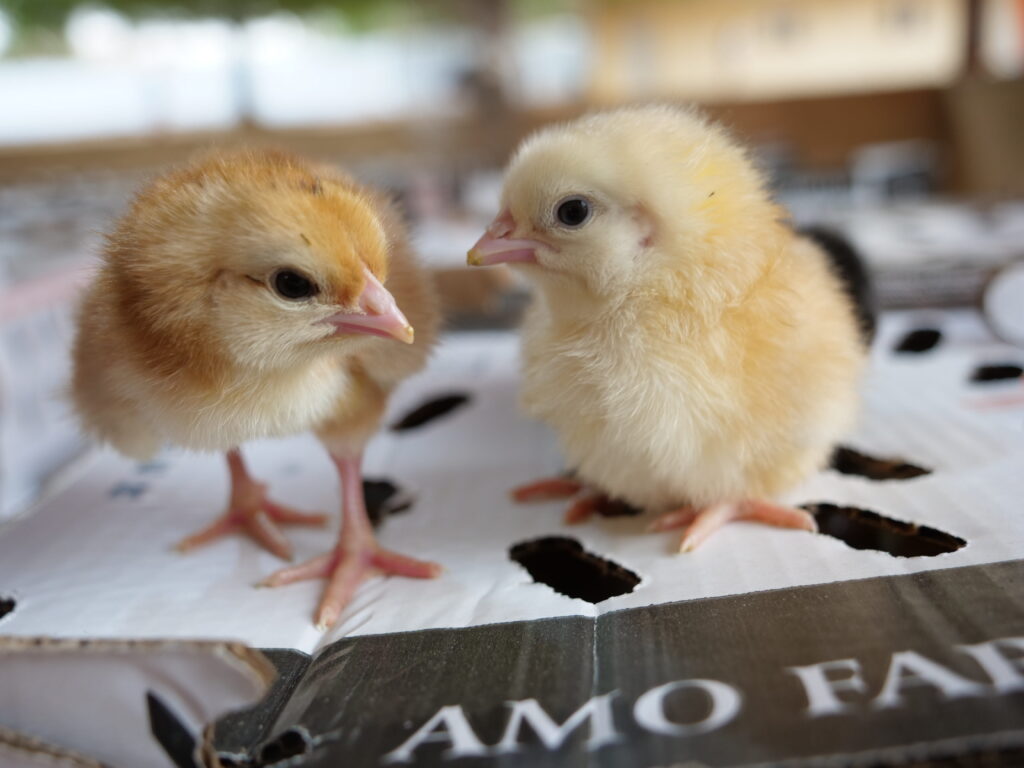
Raising Noilers from day-old chicks is one of the most effective ways to build a sustainable poultry business. Known for their dual-purpose advantage, offers both meat and egg production, making it a smart choice for farmers looking for flexibility and long-term value.
However, success starts from day one. Proper care during the early stages determines how well your birds grow, survive, and perform over time.
Here is a practical guide to raising Noilers successfully from day-old chicks.
1. Prepare Before the Chicks Arrive
One of the biggest mistakes new farmers make is waiting until the chicks arrive before getting ready.
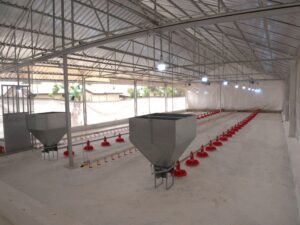
Your brooding area should be fully prepared at least 24 hours before arrival:
- Clean and disinfect the pen thoroughly
- Ensure proper ventilation without cold drafts
- Spread dry bedding such as wood shavings
- Set up feeders and drinkers
- Pre-heat the brooding area to the right temperature
A well-prepared environment reduces stress and improves chick survival.
2. Start with Quality Day-Old Noiler Chicks
Your results depend heavily on the quality and authenticity of the chicks you begin with.
Farmers are strongly advised to source their Noiler chicks from Amo Farm Sieberer Hatchery, the developers and sole producers of Noiler. This ensures you are getting the original breed with the expected performance for both meat and egg production.
There are cases of adulterated or misrepresented birds in the market, so buying from a trusted and verified source is critical to avoid losses and poor results.
Healthy chicks should be:
- Active and alert
- Free from deformities
- Well-dried and evenly sized
- Responsive to movement and sound
Starting with genuine, high-quality chicks significantly improves survival rate and overall productivity.
3. Get Brooding Right
The brooding stage (first 2 to 4 weeks) is the most critical phase.
Key things to maintain:
- Temperature: Keep chicks warm, especially in the first week
- Lighting: Ensure adequate light so chicks can find feed and water
- Space: Avoid overcrowding
- Dryness: Keep litter clean and dry at all times
Cold, overcrowding, or wet conditions can quickly lead to losses.
4. Feed and Water Management
Good nutrition is essential for proper growth.
- Use high-quality starter feed designed for young birds
- Ensure constant access to clean, fresh water
- Avoid sudden changes in feed type
- Clean feeders and drinkers regularly
Consistent feeding leads to stronger and more productive birds.
5. Follow a Proper Health Plan
Healthy birds grow better and perform more efficiently.
As a Noiler farmer:
- Follow a recommended vaccination schedule
- Observe chicks daily for signs of weakness or illness
- Isolate sick birds immediately
- Maintain strict hygiene in the pen
Early detection and prevention can save your entire flock.
6. Allow Gradual Adaptation
As the birds grow, begin to:
- Reduce artificial heat gradually
- Introduce more space
- Allow controlled outdoor access if using a semi-intensive system
Noilers are hardy, but proper transition helps them adapt better and perform optimally.
7. Be Patient and Consistent
Noilers are not like broilers that are raised for very rapid growth. Their strength lies in steady development and dual-purpose productivity.
Stay consistent with:
- Feeding
- Cleaning
- Monitoring
Over time, this consistency translates into better meat yield and egg production.
Conclusion
Raising Noilers from day-old chicks is a practical and rewarding venture when done correctly. With the right preparation, proper brooding, good feeding practices, and consistent management, farmers can build a reliable source of both income and nutrition.
Noilers offer a balanced approach to poultry farming, making them suitable for both small-scale and growing operations.
By starting with genuine stock and managing your flock properly, you set the foundation for long-term success in poultry farming.